Can Uganda Become the Next Singapore?
I see this question coming up regularly on social media: Can Uganda become the next Singapore?
Is it a realistic ambition — or just a comforting fantasy?
To answer the question honestly, we need to look past slogans and study what actually made Singapore succeed — and then compare those conditions to Uganda’s reality.
Singapore’s transformation is one of the most remarkable development stories of the 20th century. In From Third World to First (2000), Lee Kuan Yew describes how a tiny, resource-poor island became a global economic powerhouse within a single generation.
How did they do it? And how does Uganda compare?
⸻
1. Security First
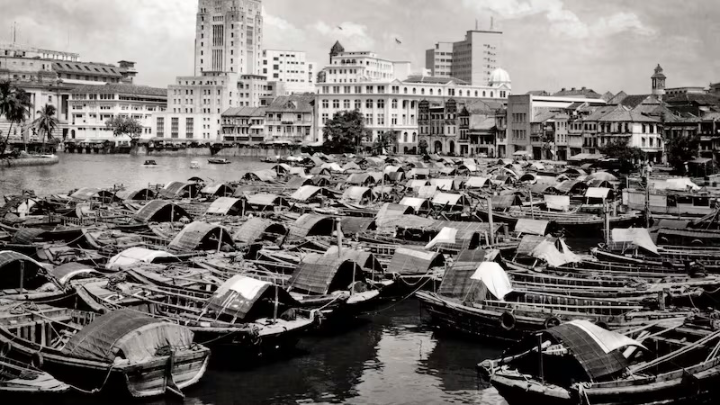
When Singapore became independent in 1965, many believed it would collapse within years. It had no natural resources, no army, and had just been expelled from Malaysia amid racial riots. The situation was desperate.
Security came first. Singapore built a credible military from scratch, because without security, nothing else mattered.
Uganda
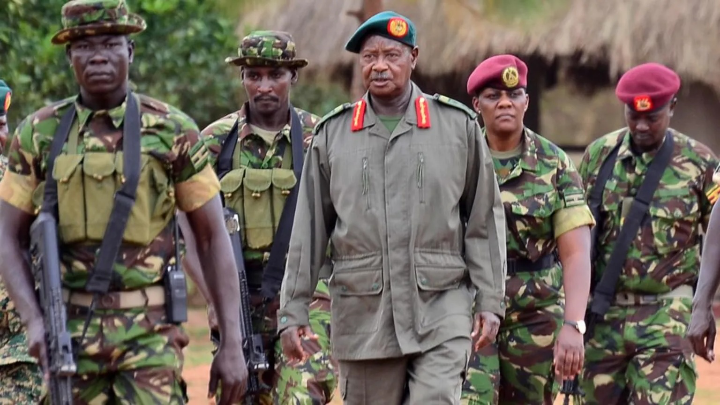
Uganda’s post-independence history was marked by decades of instability, culminating in the Bush War. Since 1986, under President Museveni, Uganda has achieved something foundational: relative peace.
This is not a small achievement. Security was the hardest problem to solve, and Museveni largely succeeded.
Verdict: Strong foundation.
⸻
2. National Unity
Singapore was deeply divided along ethnic lines. One of Lee’s most effective tools was National Service, which forced young Chinese, Malay, and Indian men to live, train, and depend on one another. Shared hardship produced a shared identity.
Uganda
Uganda has more than 50 ethnic groups. Maintaining peaceful coexistence while building a national project is an immense task.
Museveni has largely succeeded in preventing large-scale ethnic conflict. However, persistent accusations of tribalism — especially in appointments and power structures — undermine trust and weaken national identity.
Verdict: Functional, but still fragile.
⸻
3. Writing a Social Contract
Lee rejected the Western welfare model. Singapore could not afford dependency. Instead, he built a system based on self-reliance, asset ownership, and personal responsibility.
The Central Provident Fund (CPF) became the backbone of this social contract. Mandatory savings rates were increased year after year — painful in the short term, transformative in the long term. High domestic savings controlled inflation and gave the government capital to build infrastructure without heavy foreign debt.
The masterstroke came in 1968, when CPF savings could be used for housing. Suddenly, even low-income workers could own homes. This created stakeholders, not dependents.
Uganda
Uganda’s NSSF is a step in the right direction. But with roughly 90% of the population in the informal economy, its reach is limited.
The Singaporean model is instructive — but adapting it to Uganda would require massive formalization, institutional trust, and long-term discipline.
Verdict: Early stage, structurally constrained.

⸻
4. Corruption: The Non-Negotiable Line
Singapore’s anti-corruption strategy was uncompromising. The Corrupt Practices Investigation Bureau had full authority to investigate anyone, including ministers. Unexplained wealth alone could lead to conviction.
No one was untouchable. This gave the government moral authority to demand sacrifice.
Uganda
President Museveni frequently condemns corruption in speeches. But actions matter more than words.
The removal of term limits through parliamentary bribery fundamentally undermined the rule of law. Corruption became systemic, not incidental. Today, Uganda consistently ranks among the most corrupt countries globally.
This is not a side issue. It is the central failure.
Verdict: Catastrophic.
⸻
5. Learning from the Best
Lee closely studied Japan’s remarkable post-war recovery. He imported its obsession with quality, discipline, and continuous improvement into Singapore’s institutions and factories.
Uganda
Museveni is working day and night to build a nation of manufacturing and value addition. Uganda has real advantages: fertile land, and abundant resources like coffee, cotton, minerals, and a young workforce.
Strong progress is being made, and the pace is picking up greatly.
But industrial policy alone doesn’t create competitiveness. Discipline, standards, and pride in excellence do. With a few honorable exceptions, mediocrity is widely tolerated — and often expected.
That mindset is fatal in global markets, where you compete with the best.
Verdict: Execution strong, mediocrity widespread.
⸻
6. The Unfinished Work: Succession
Lee understood that nations fail when founders refuse to let go. He deliberately groomed successors, sidelined loyalists, and stepped down after 31 years. The transition was orderly and institutional.
Uganda
After nearly 40 years in power, there is no credible succession plan. The apparent grooming of Museveni’s son signals dynastic ambition, not institutional strength.
Uganda’s future remains dangerously dependent on one aging individual.
Verdict: Unresolved and risky.
⸻
Scorecard
- Security: 9/10
- National unity: 6/10
- Social contract: 4/10
- Corruption: 1/10
- Industrialization: 6/10
- Succession: 2/10
So — Can Uganda Become the Next Singapore?
Not under current conditions.
Singapore succeeded because discipline and integrity were enforced from the top. Uganda struggles because corruption rots leadership at every level. Without credible leadership, there is no social contract. Without a social contract, laws are ignored. And without discipline, global competitiveness is impossible.
A small but telling example: chewing gum
Singapore famously banned chewing gum. I remember when I first heard about it. Many of us laughed. Seriously? we thought. Is this really what a government should be worrying about?
But that reaction misses the point.
It was never about gum. It was about discipline and order.
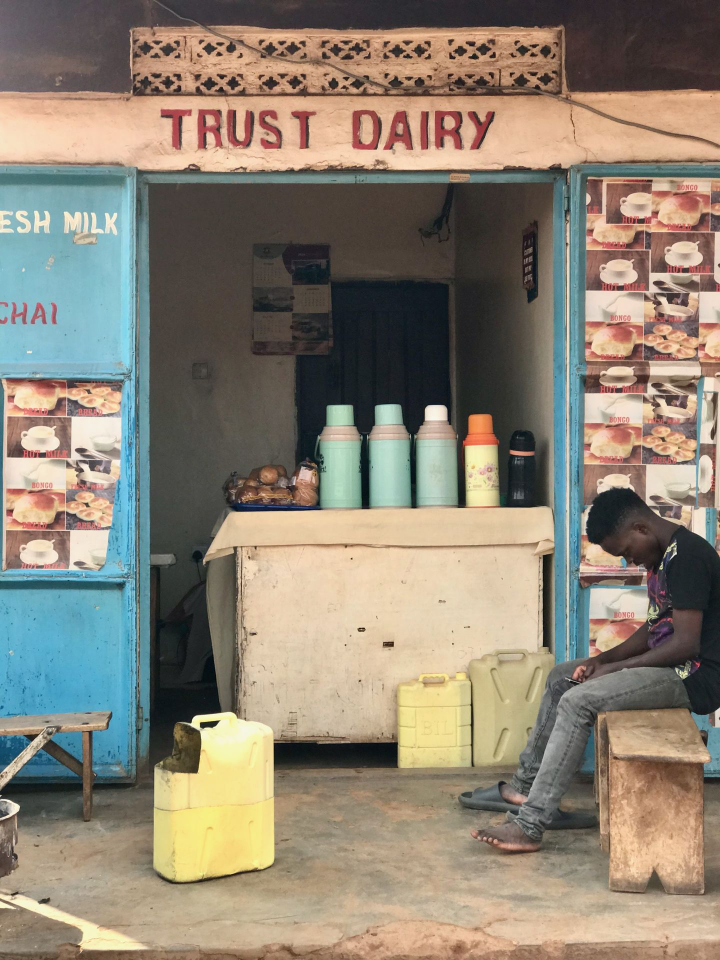
Uganda is drowning in trash. Everyone sees it. Almost no one acts. During a discussion on X about garbage in Uganda, someone said about their countrymen:
“The discipline to manage is not there.”
That one sentence captures the problem perfectly.
People don’t litter because they enjoy filth. They litter because they don’t believe rules will be enforced fairly — or at all. And because they don’t understand that they all play their part in a larger project.
This leads to the real question:
Are Ugandans willing to accept discipline — and are leaders willing to live by it?
Until corruption is tackled decisively and discipline becomes non-negotiable, the idea of Uganda becoming the next Singapore will remain a social media fantasy.
Which is tragic.
Uganda is truly the Pearl of Africa — rich in resources, talent, and human warmth.
The people of Uganda deserve the best future possible.
How can we get there?